More than a concert,
a collective experience that nourishes the heart.
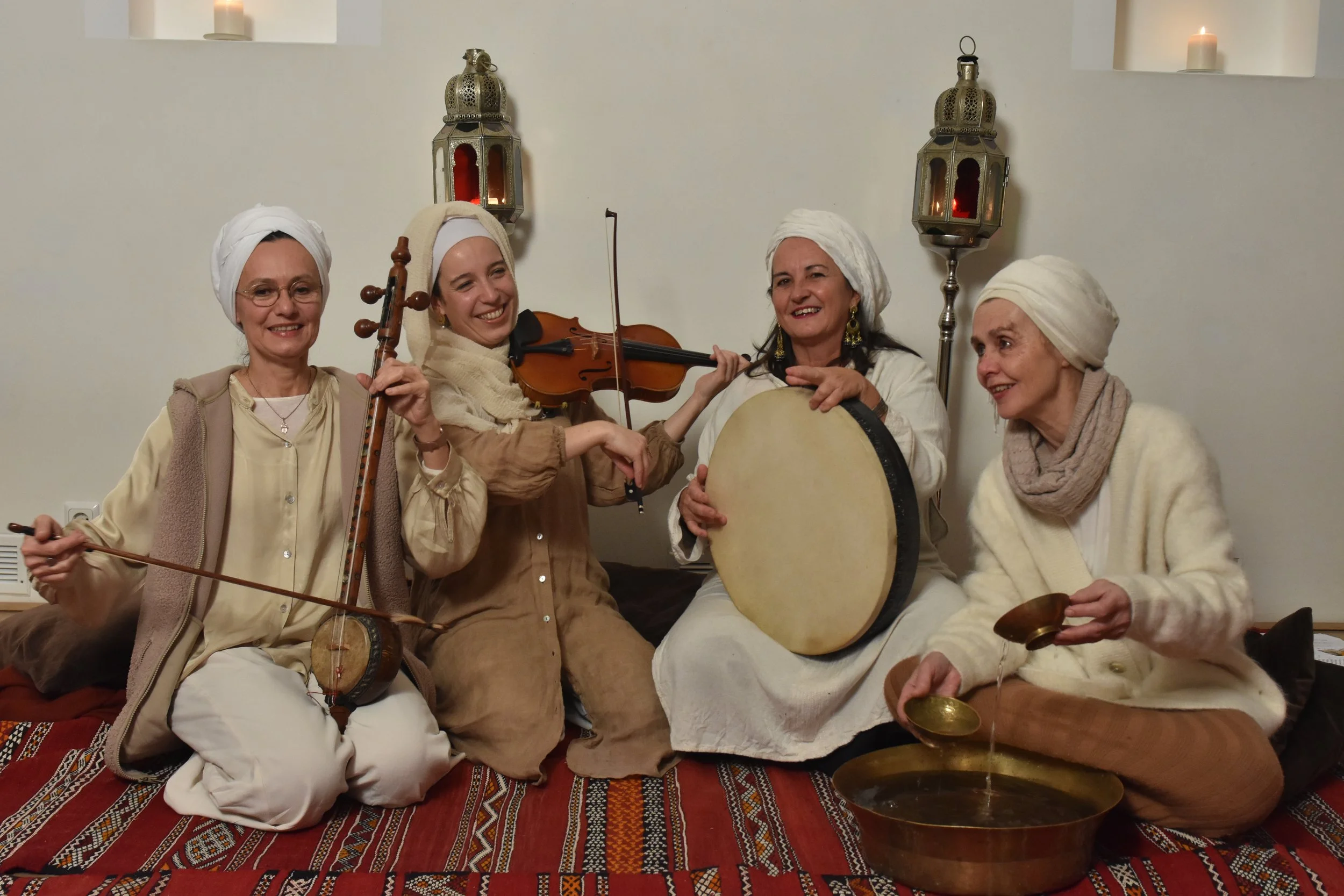
The musicians
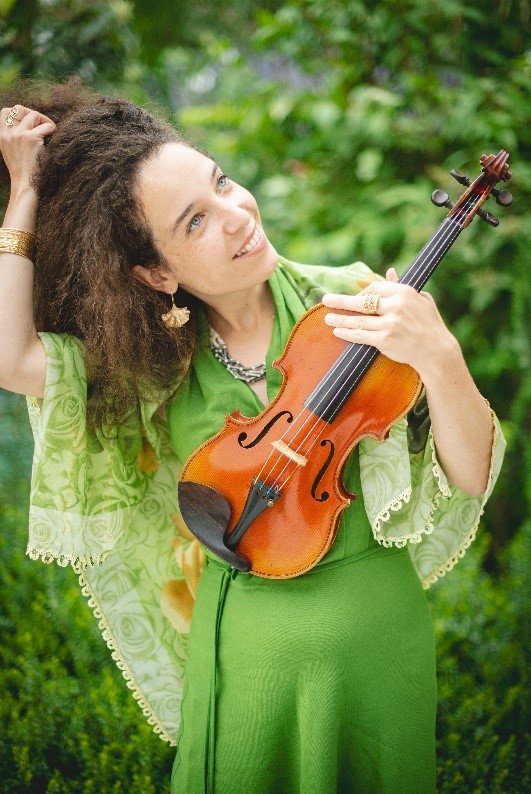
Clémence Hazaël-Massieux:
Violinist, voice, composition, direction, Album “Ya Latif”, founding member of Hadra Ensemble.
Clémence is a professional violinist whose music creates bridges between worlds and cultures. Classically trained, she draws inspiration from “classical music” and from the musical heritage of Al-Andalus and the broader medieval Islamic tradition, in which the melodic modes, or maqāmāt, were understood to have distinct effects on the emotional and spiritual states of the listener. Her current work is particularly inspired by the work of Oruç Güvenc, the musical heritage of Al-Andalus, the teachings of Fawzia Al-Rawi and her own cassical background.
Her work moves between contrapuntal harmony and Eastern maqamat, between the secular and the sacred, between ancient wisdom traditions and contemporary creation. Clémence creates the conditions for a new music to emerge, — rooted in the past, deeply present, and shaped by artistic refinement. A living music, carrying the memory of ancient traditions while opening new paths into the present, and offered to the world.
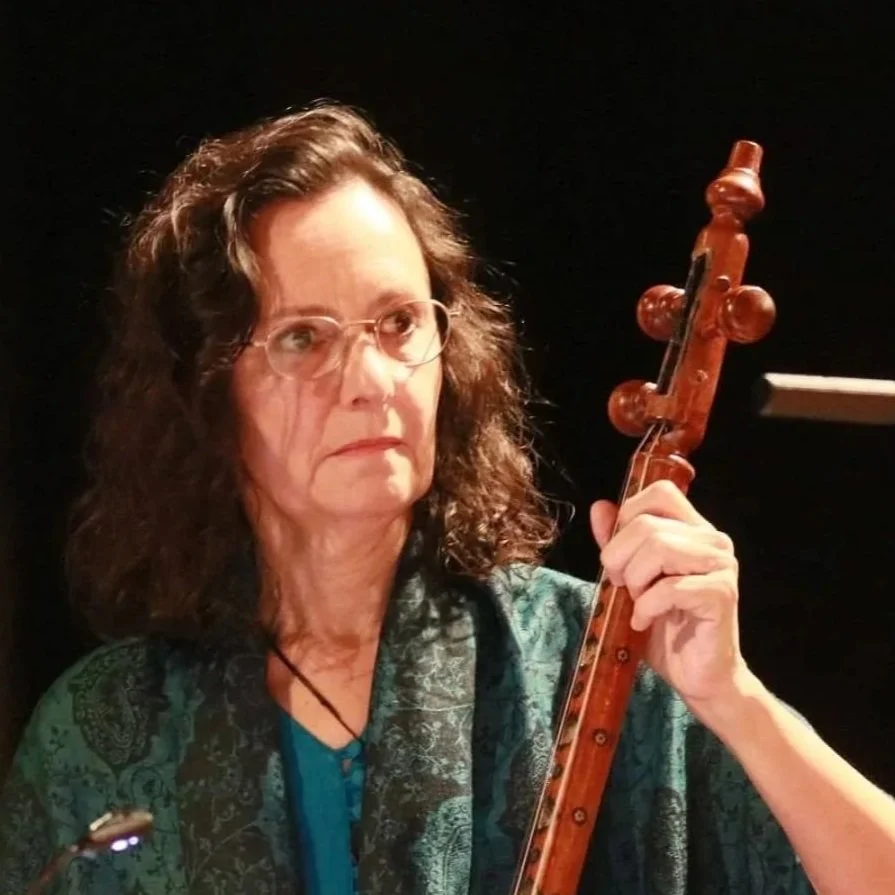
Veronika Winkler:
Rebab, voice, founding member of Hadra Ensemble, Album “Ya Latif”
Veronika Rahime Winkler has been playing the Rebab (turkish violin) since 2002, toured with the Sufi Ensemble Tümata led by Dr Oruç Güvenç and played for numerous Sama (Soufi whirling gatherings) in Austria, Turkey, France.
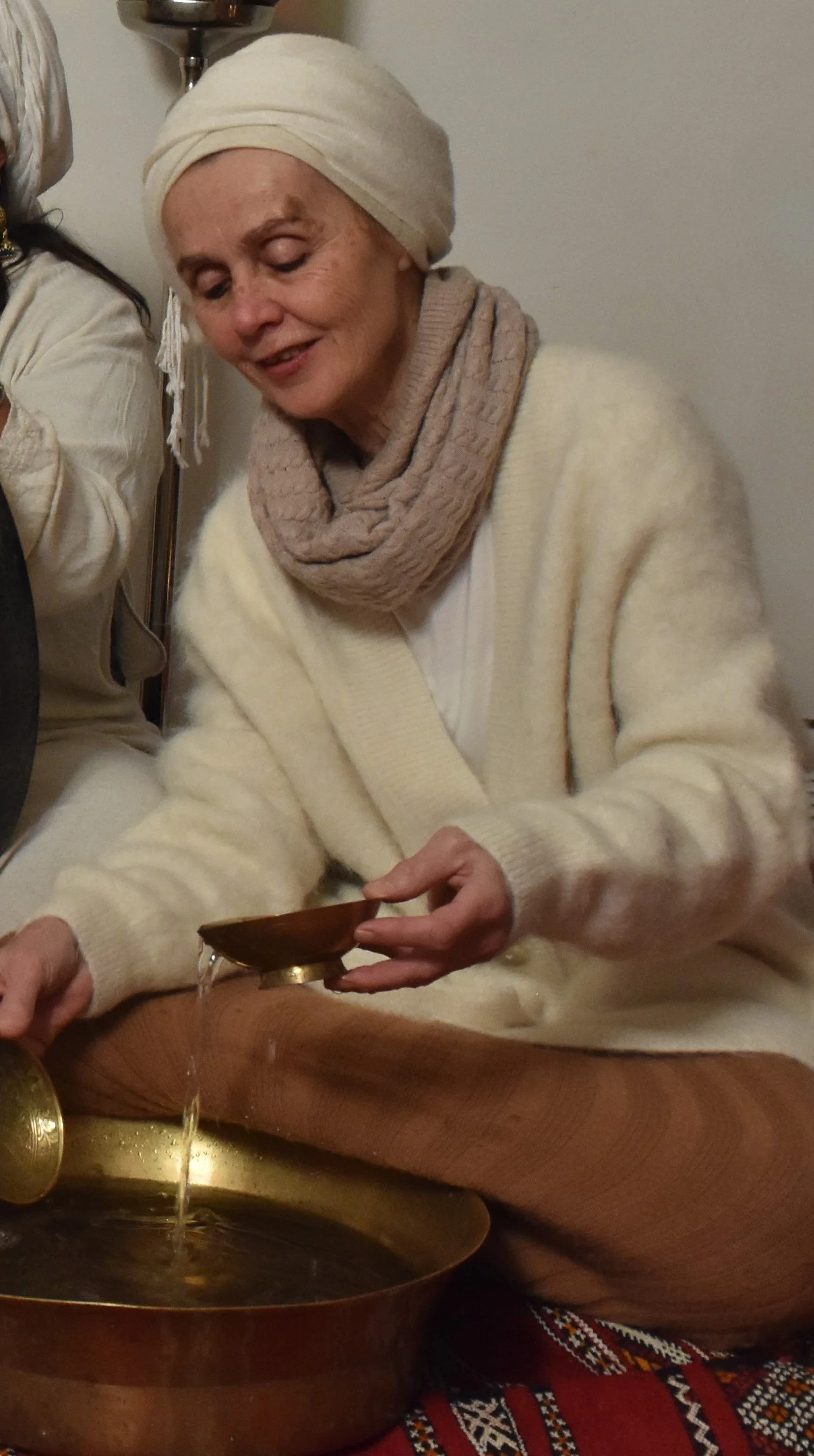
Annerose Jost:
Our watering hands: water, voice, founding member of Hadra Ensemble, Album “Ya Latif”
Music for Annerose was always the joy to enter the magic of sound, vibrations that do not only reach the ear and open the field of emotions, but resonates in the whole body, in all organs, every tissue and cells.
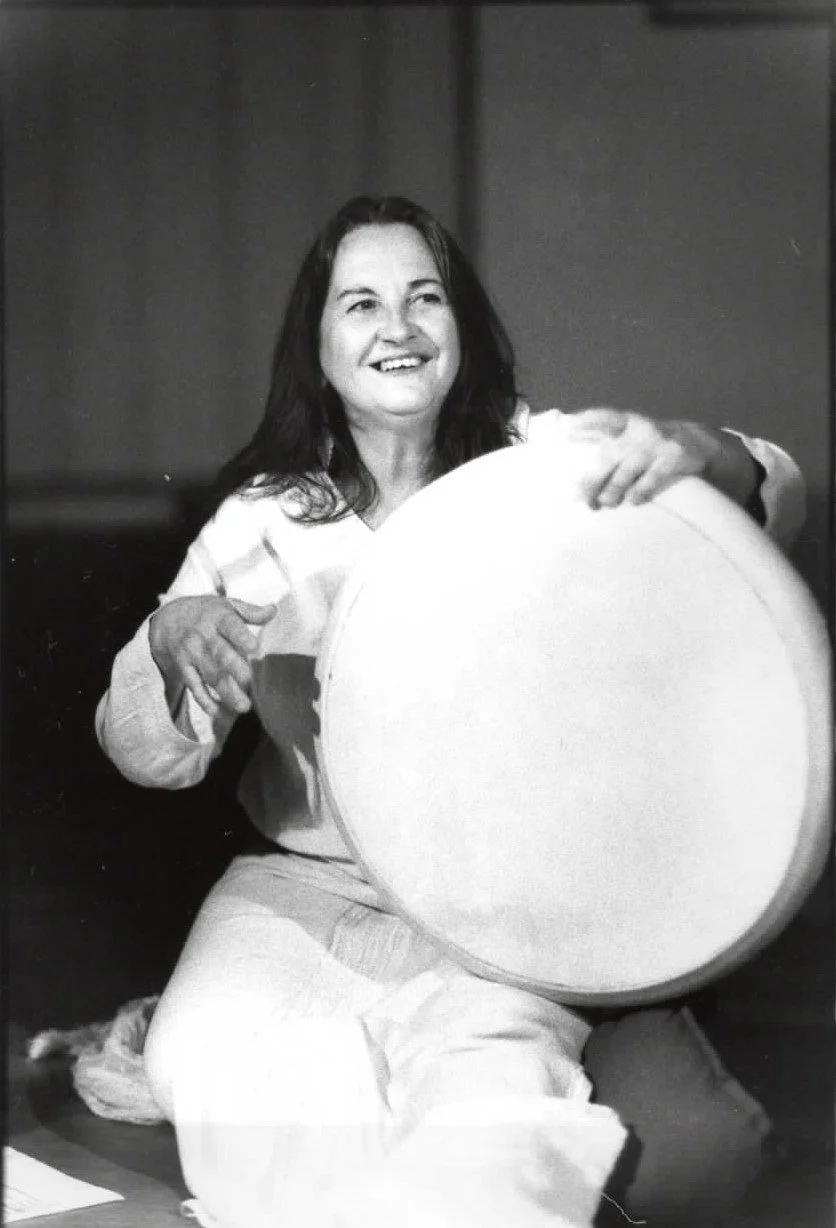
Claudia Hopfinger-Uhl:
Daf, voice
Claudia is based in Vienna and has a deep passion for travel and desert trekking. She discovered the art of drumming through Sufi ceremonies and studied with the teacher Oruç Güvenç. Her practice is rooted in these traditions and shaped by her encounters with different cultures and landscapes.
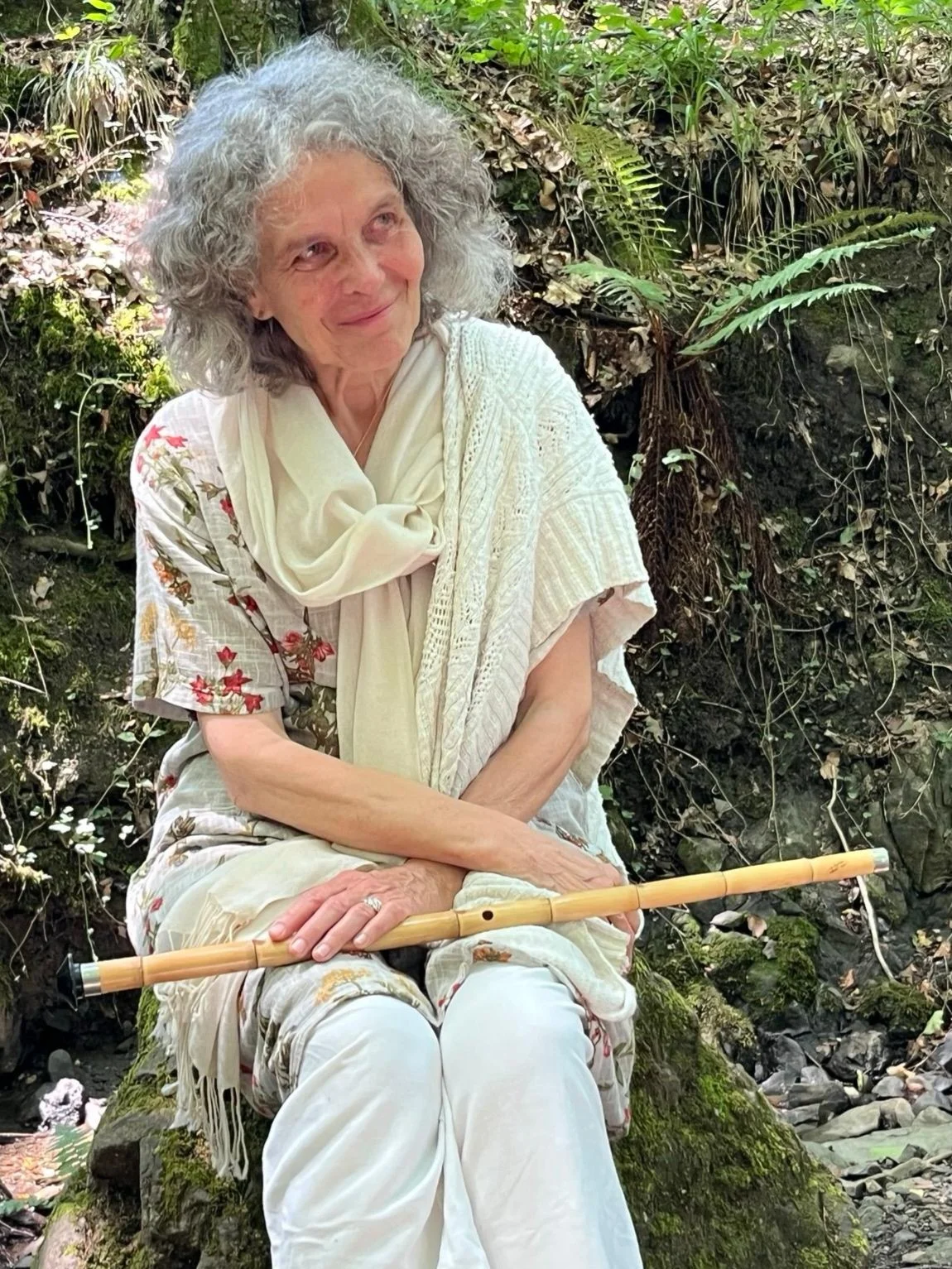
Judith Bomheuer-Kuschel:
Ney, voice, Album “Ya Latif”
Judith lives in Germany, where she accompanies people at the end of their lives through music. Constantly questioning the origins of music, her search becomes her path. In 2004, she met Dr. Oruc Güvenc and Turkish music therapy for the first time.
Since then, she has dedicated herself to this wonderful bridge between music and medicine; sound, body and soul.
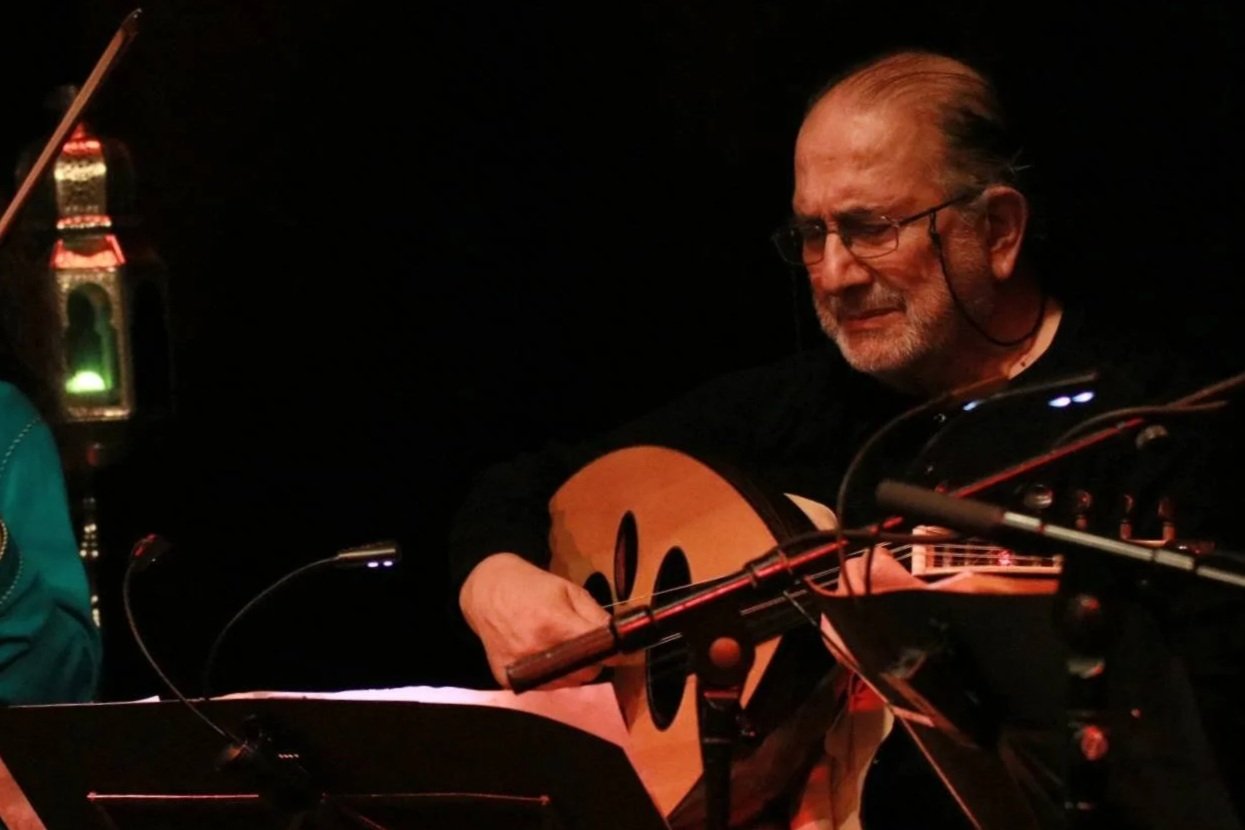
Asim Al-Chalabi:
Oud, Album “Ya Latif”
Asim Al-Chalabi is a master of the oriental short-necked lute, the al-oud. In his music, Asim unveils the secrets of the silent poetry found in oriental music. He succeeds in creating a harmony between highly developed playing technique and inspiration-driven improvisation within the ancient oriental musical modes (al-maqam).
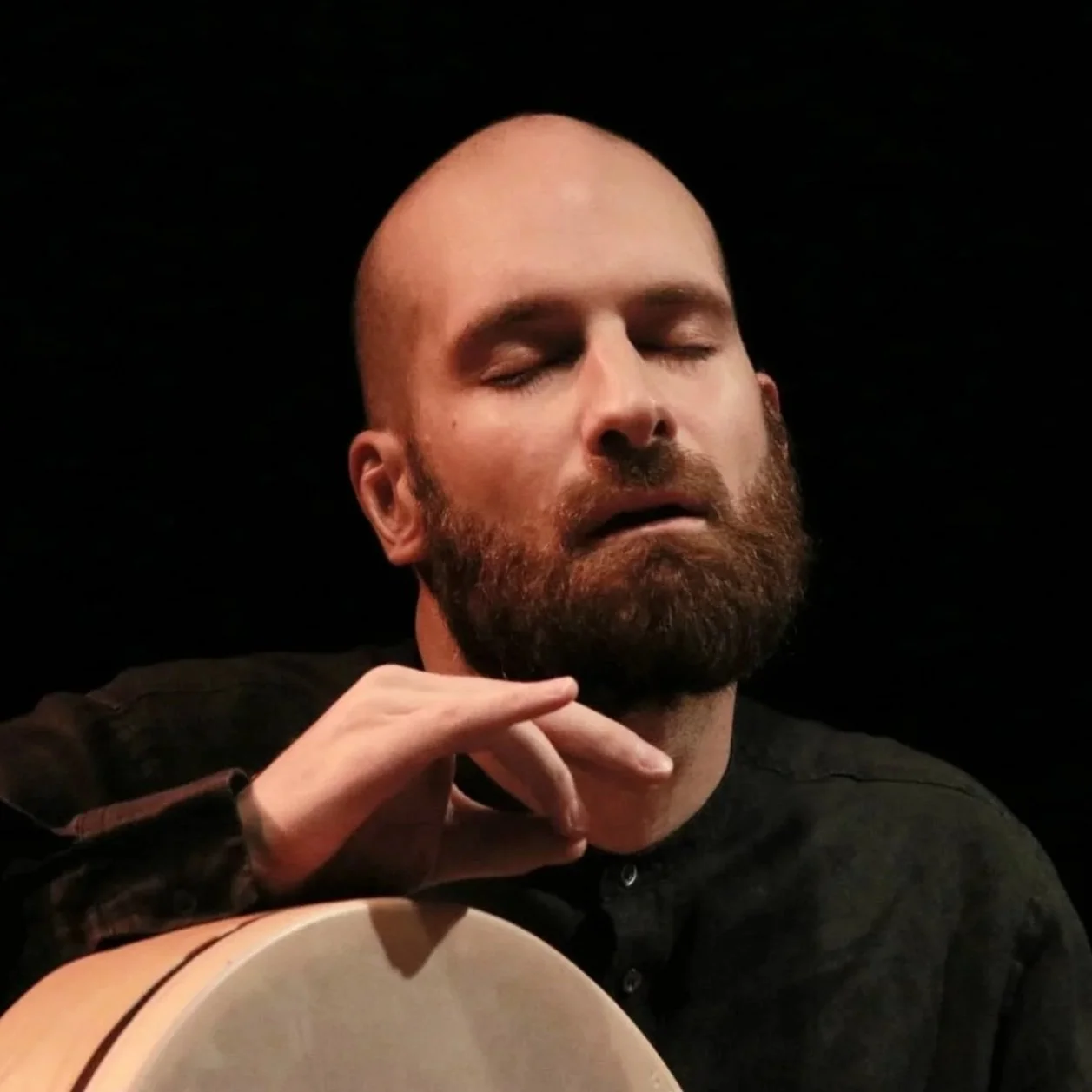
Amir Wahba:
Daf, Album “Ya Latif”
Amir Wahba is an Austrian percussionist with Egyptian roots. After many years of studying classical percussion, he decided to dedicate himself to the diversity of percussion styles of different music cultures. His passion for groove, improvisation and the constant search for new timbres make him a versatile and sought-after percussionist and drummer.
We are grateful for our several guests that punctuated our concerts in the past years: Sherif Abdallah (drum), Melanie Buonomo (Singing), Elissar Hannah (singing), Sonia (Ney)
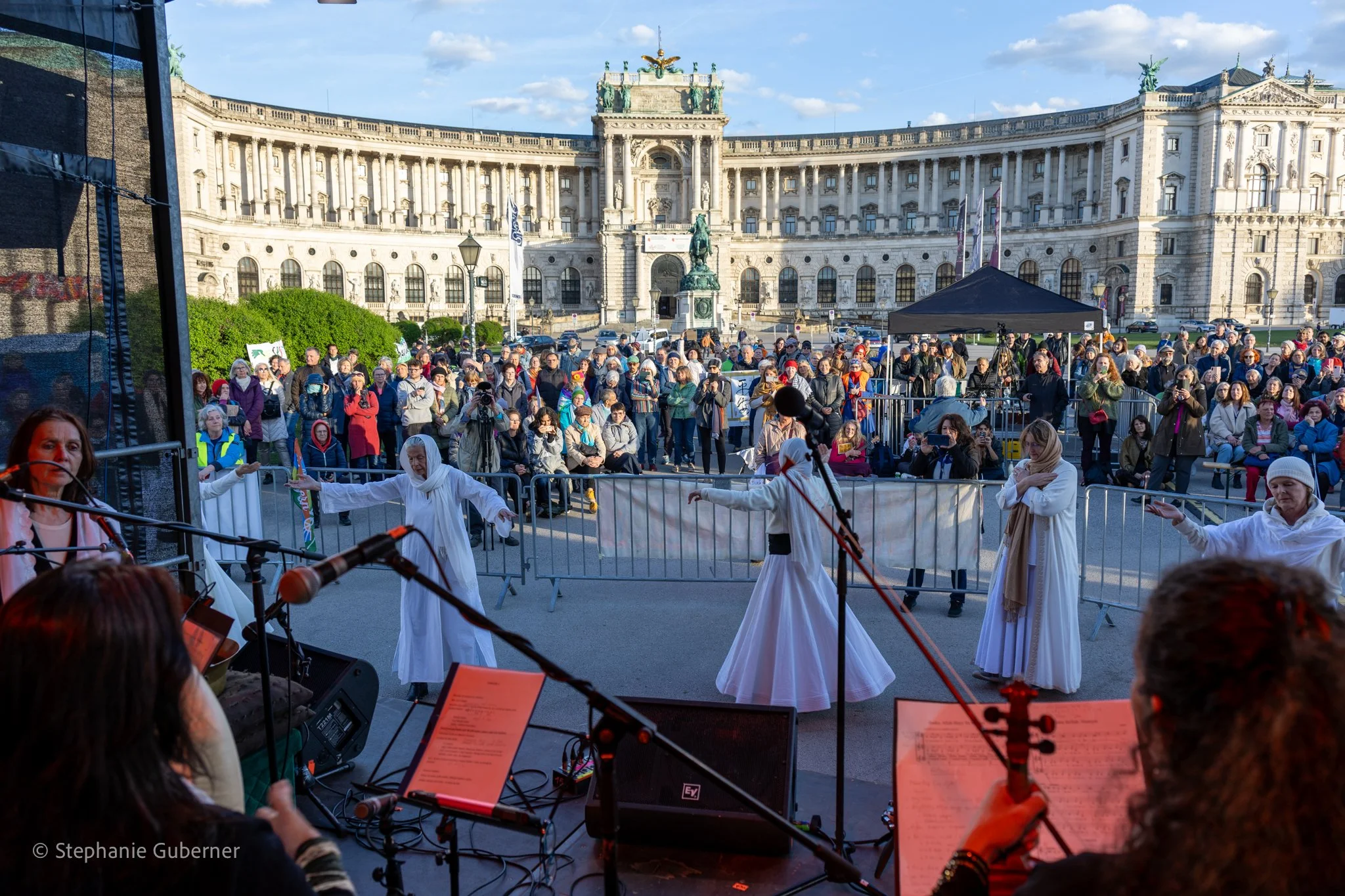
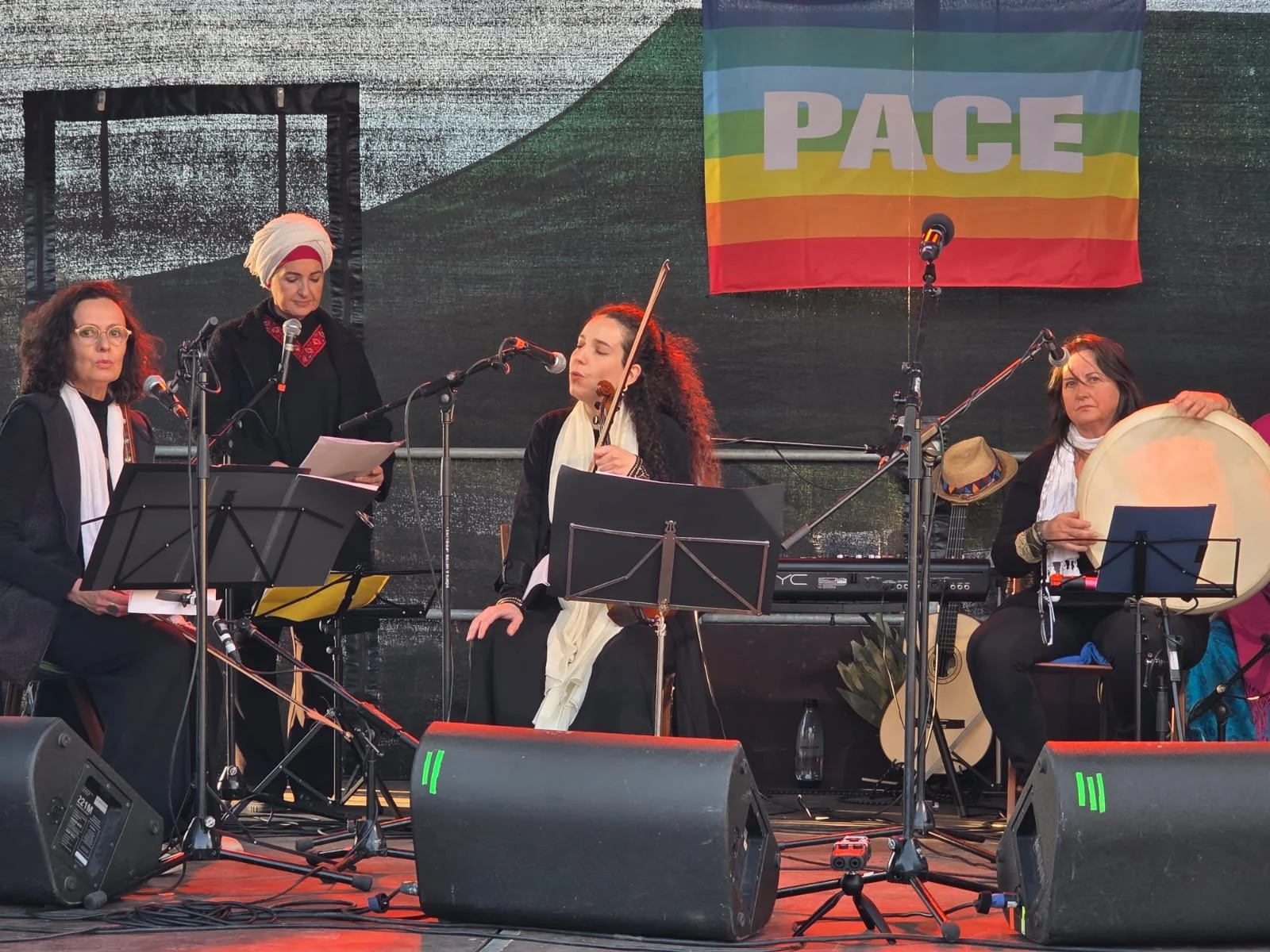
Hadra Ensemble offers a unique experience with a genuine commitment to artistic excellence!
Their music is rooted in ancient Eastern traditions (Arab-turkish music therapy), strongly influenced by classical music and is an immersive experience. Imbued with a clear intention to foster inner harmony, Hadra Ensemble’s music allows everyone to relax, quiet the mind, and rediscover a true sense of inner peace.
Hadra Ensemble’s repertoire is entirely original. The vocal pieces are composed by Clémence Hazaël-Massieux, who draws on the rich modal language of the maqams to create polyphonic compositions.
Improvisation holds a central place in the ensemble’s music, with the musicians exploring the expressive possibilities of the maqams. Rooted in the traditions of Eastern music, where improvisation is an essential part of the musical language, this approach allows each performance to remain alive, spontaneous and deeply present.
“HADRA”, means “presence in arabic.
© Photo: Claudia Hofinger-Uhl